The journey
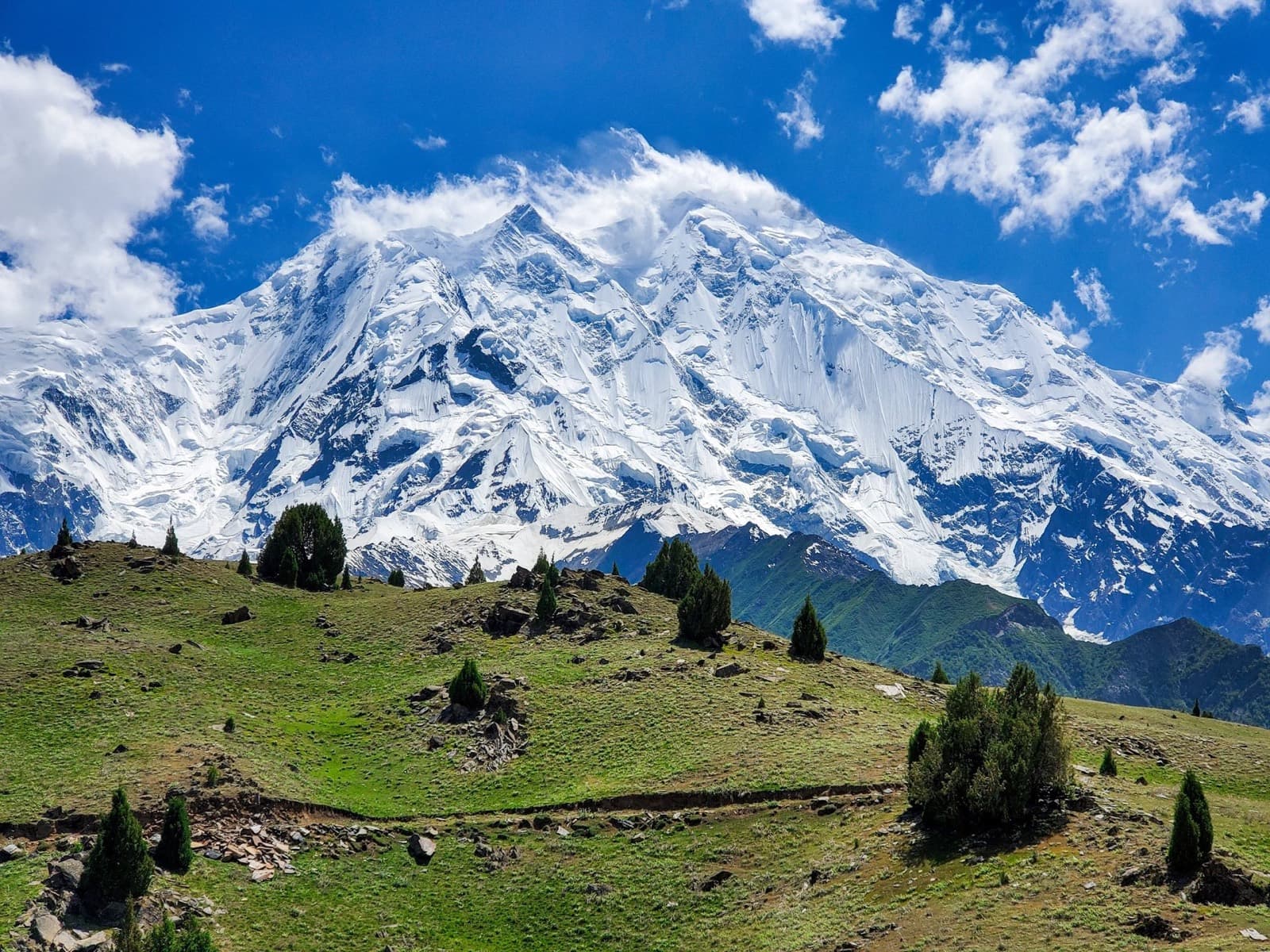
4 min readThere is a moment on every Hunza trip that people remember years later. It usually happens on the second day, somewhere past Chilas, when the Karakoram Highway swings around a bend and Rakaposhi fills the whole windscreen. Conversations stop. Someone reaches for a phone, then puts it down, because no photo is going to do this. That moment is why we keep coming back to Hunza Valley, and why it remains the most requested trip we run.
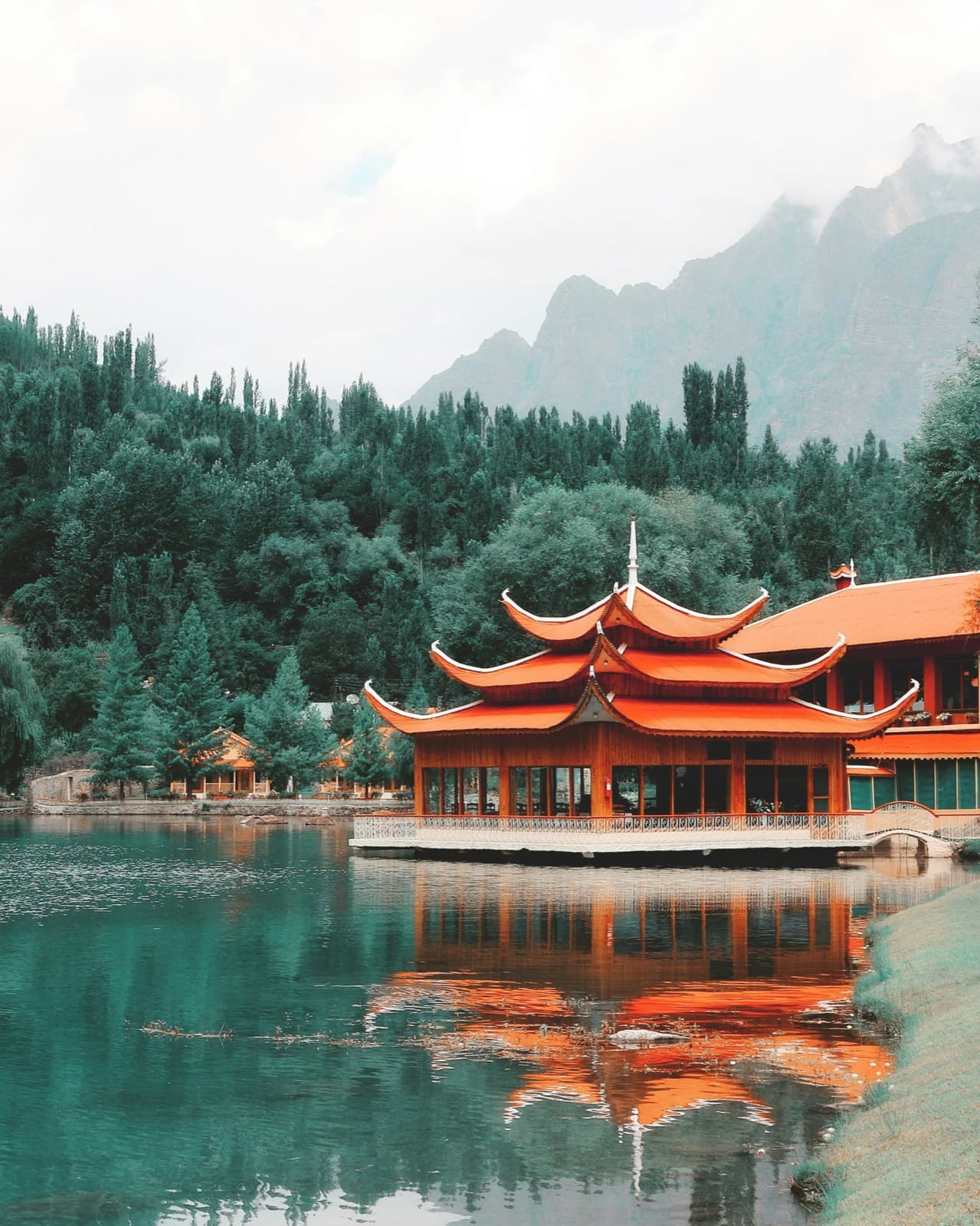
A quick note on the name, because spellings get messy up north. You will see Hunza Vally, Hunzah, even Wadi e Hunza on signboards and in search results. It is all the same place: a high valley in Gilgit-Baltistan where apricot orchards grow in the shadow of six of the world's mightiest peaks, and where people routinely live past ninety. Locals will tell you it is the water. After a week there, you might believe them.
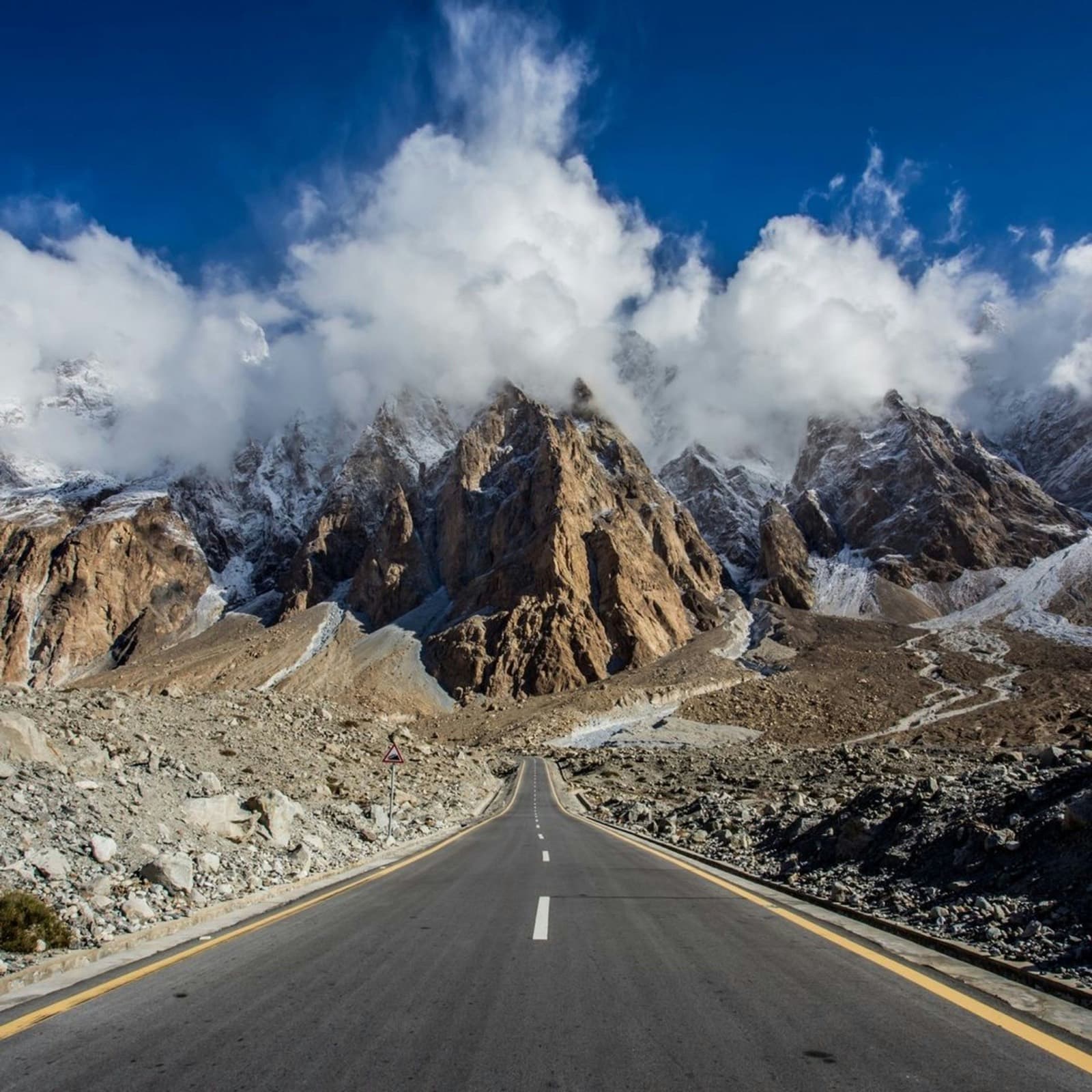
Our seven days start with the long haul out of Islamabad along the old Silk Road. It is a full day of driving, but the kind you do not resent. The road follows the Indus through gorges that keep getting deeper, past the point where three mountain ranges, the Karakoram, the Himalaya and the Hindu Kush, stand within a single view. We break the journey properly, with tea stops and a night's rest, so nobody arrives in Karimabad wrecked.
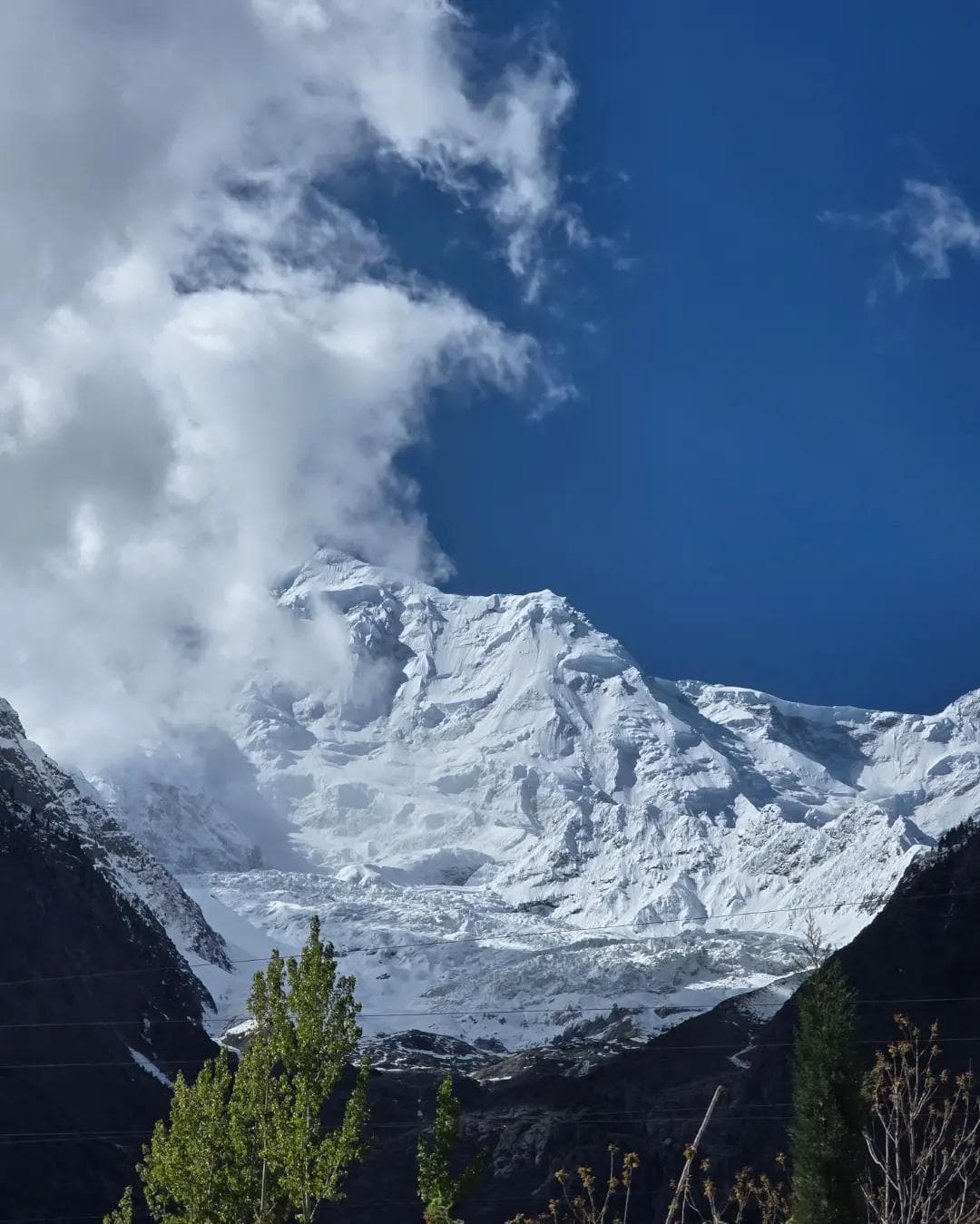
Karimabad, sometimes written Kareemabad, is the valley's old capital and our base for most of the week. Two forts watch over it. Altit Fort has stood for roughly nine hundred years, Baltit Fort for over a thousand, and both have been restored well enough that you can walk their wooden balconies and see what a Silk Road watchtower actually guarded: every caravan that moved between Central Asia and the subcontinent.
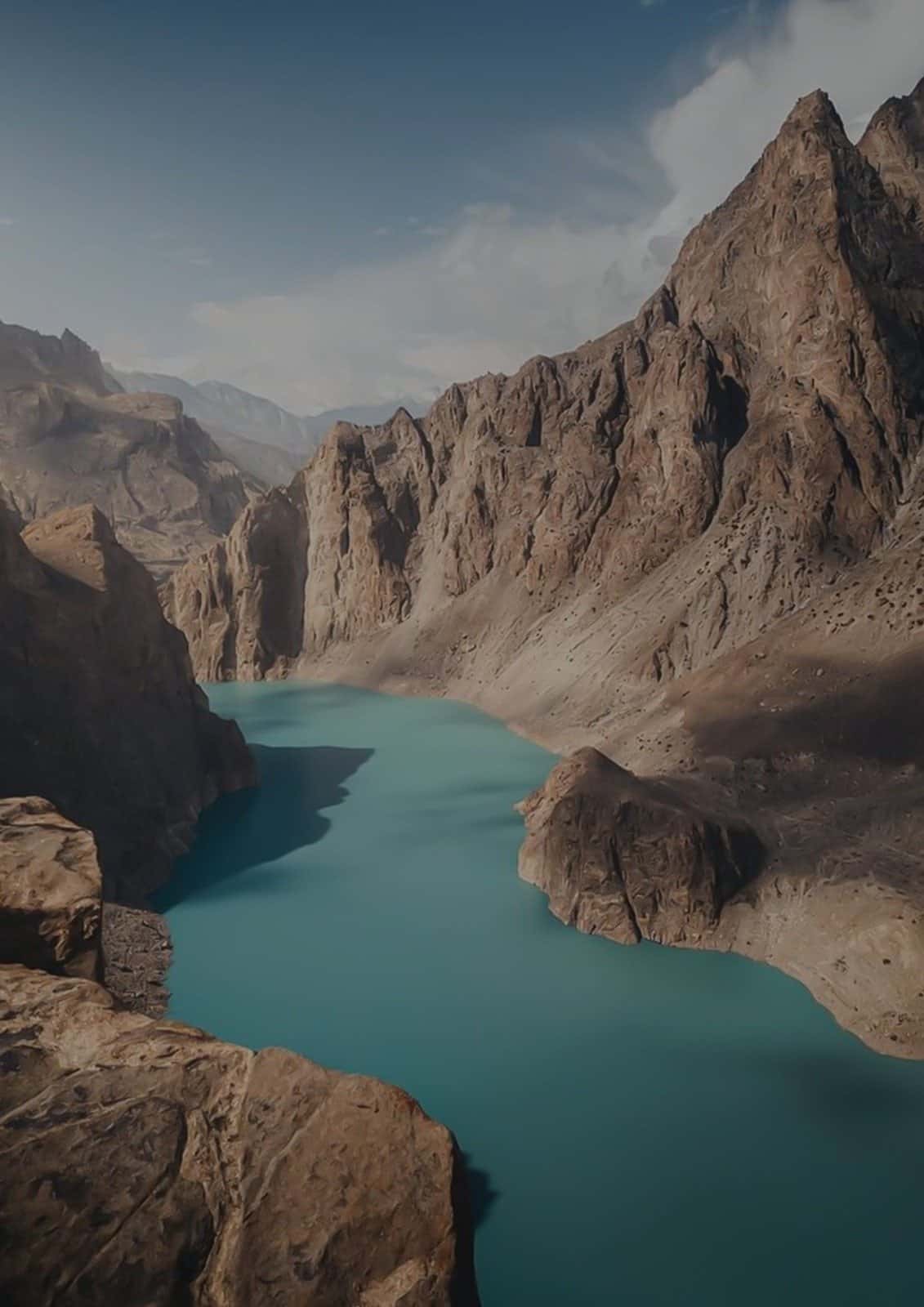
Then there is the water. Attabad Lake, often typed as Atabad Lake, did not exist before 2010. A landslide dammed the Hunza River and the valley filled into twenty kilometres of blue so saturated it looks edited. You can take a boat across it, kayak on it, or just sit at the shore restaurant and stare. Further up the highway the Passu Cones (you will also see Pasu Cones) rise like a row of stone spears, and the Hussaini Suspension Bridge swings over the river on planks and cables. Crossing it is optional. Photographing other people crossing it is mandatory.
The Naltar day is the one guests underestimate. You switch into 4x4 jeeps and climb into a side valley the highway crowd never sees, where three alpine lakes, Satrangi, Blue and Bodro, sit in pine forest at the end of a rough track. Satrangi means seven colours, and on a clear day you can count them. In winter this is Pakistan's ski country; in summer it is about as peaceful as mountains get.
Evenings are deliberately unhurried. One night it is a live music session with rubab and local singers, another it is BBQ and a bonfire, and at least once we walk up to Eagle's Nest above Duikar for sunset. From that ledge you watch the light go gold on Rakaposhi, Ultar, Diran and Ladyfinger Peak all at once. Bring a jacket, stay for the stars. The Milky Way from Hunza is not like the Milky Way from anywhere with streetlights.
The return runs south through Naran and the Kaghan Valley, over the Babusar Pass when it is open, so the trip ends with green meadows instead of a repeat of the highway. By the time we drop you back in Islamabad you will have crossed two of Pakistan's great mountain roads, slept under some of its oldest forts, and eaten more apricots than you thought possible.
If you have been comparing Hunza tour packages from Islamabad, here is the honest pitch: this is the route we designed first, refined over dozens of departures, with hotels we actually stay in ourselves. Read the day-by-day PDF, then message us on WhatsApp with your dates.
Also searched as: Hunza Valley, Hunza Vally, Hunzah, Hunza Nagar, Wadi e Hunza.
Keep exploring