The journey
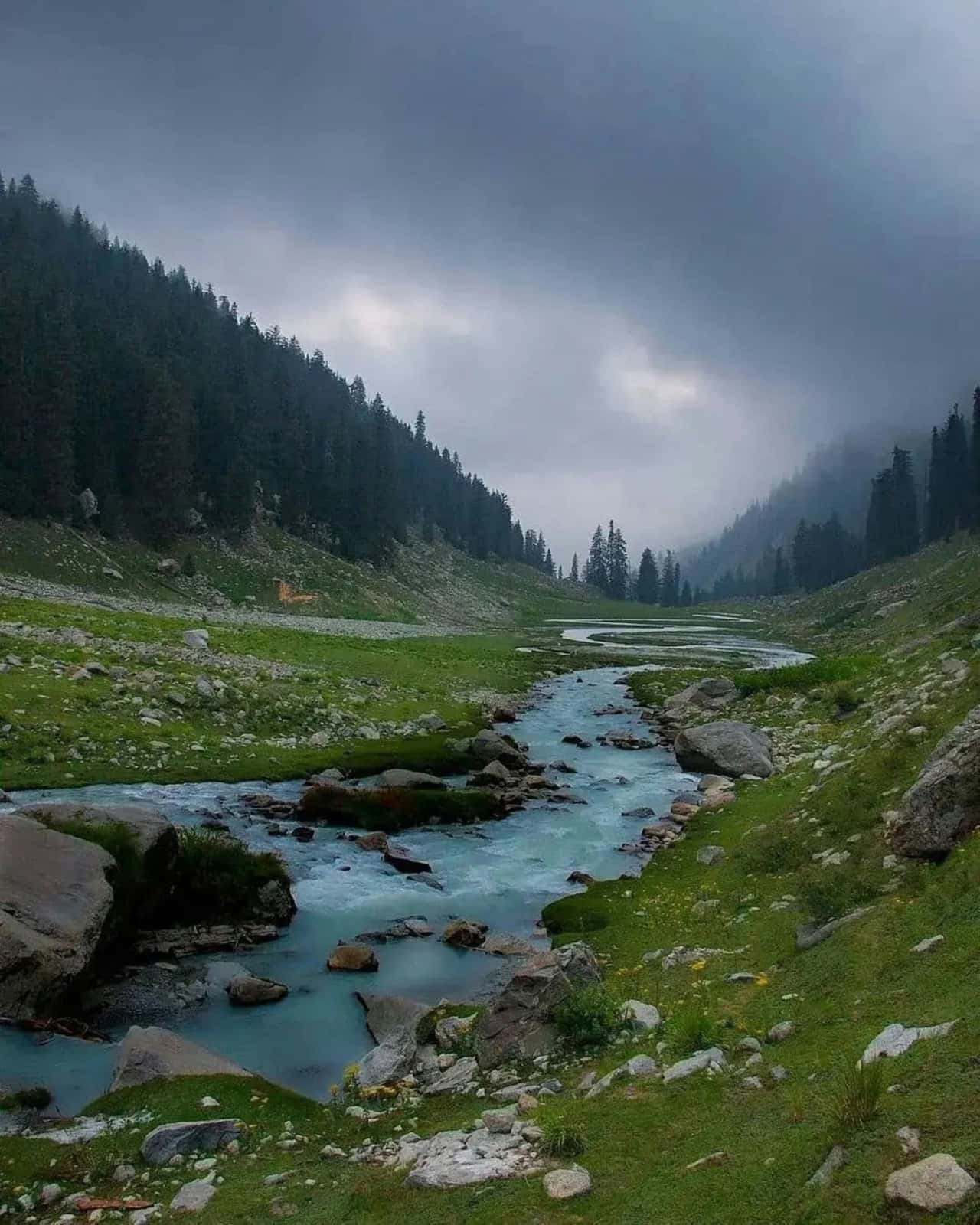
3 min readKumrat does not announce itself the way Hunza or Skardu do. There is no famous highway, no expedition history, no fort on a hill. There is just a river, the Panjkora, running ice-blue through a valley of giant deodar cedars in Upper Dir, and the growing number of people who come back saying it was the most relaxing trip they have taken in Pakistan. Spell it Kumrat, Kumraat or Komrat; the valley answers to all three.
This trip is built around one idea: camping without the suffering. Our partners at Khanabadosh (sometimes written Khana Badosh, it means 'nomad') run riverside camps where the tents have proper beds, warm duvets and someone else doing the cooking. You fall asleep to the white noise of the Panjkora and wake up to mist coming off the water. If your last camping memory involves a leaking tent and a bad back, this is the correction.
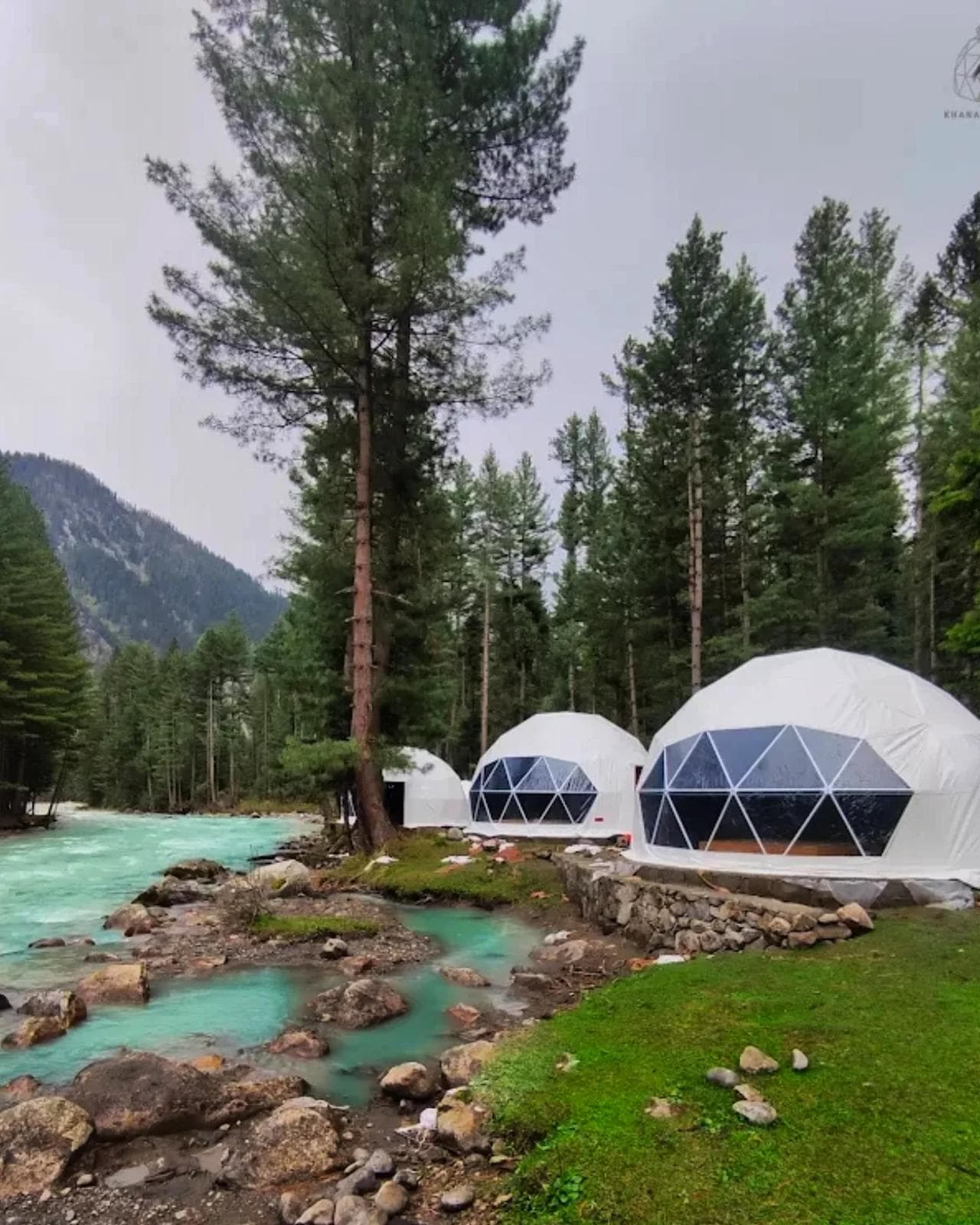
The drive up from Islamabad runs through Swat and over the hills of Dir, arriving by late afternoon. Distances here are shorter than the Gilgit-Baltistan routes, which is exactly why we recommend Kumrat as a first northern trip: four days door to door, no brutal road stages, and a fast payoff.
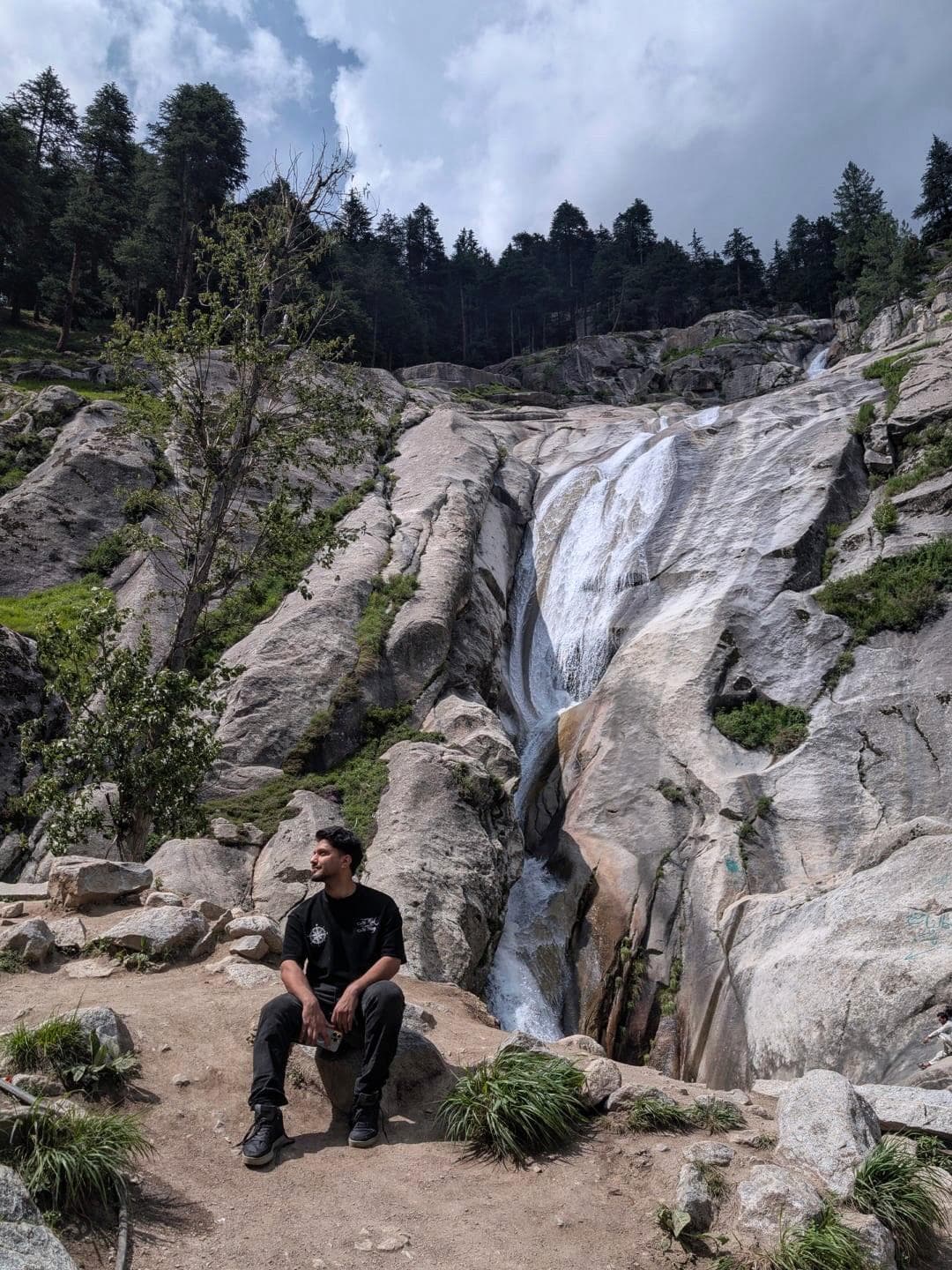
Day two belongs to the valley itself. The Kumrat waterfall drops through the forest in a spot that could headline a shampoo commercial. Do Kala Chashma, the 'two-colour spring', is where two streams of visibly different water meet and refuse to mix for a while. Jeeps push further up-valley along the river to meadows where nomad herders summer their animals, and the forest keeps getting taller and older the deeper you go.
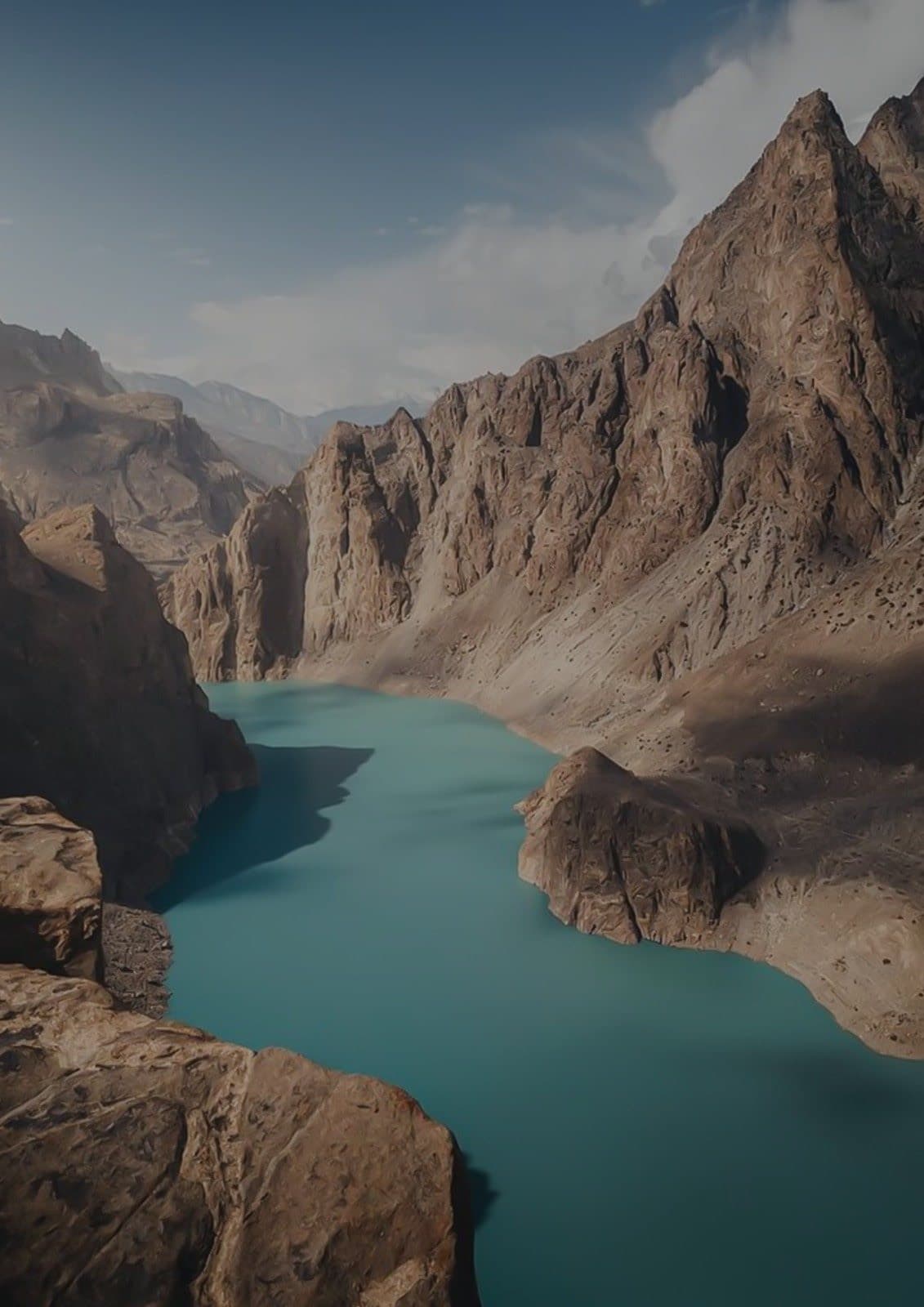
Day three raises the stakes. Jahaz Banda, also searched as Jaz Banda, is a hanging meadow above the treeline so uniformly green that photos of it get accused of being edited. Reaching it takes a jeep stage and a hike, and the arrival is the kind of view people go quiet for. The strong-legged can push on to Katora Lake, a glacial bowl at 3,500 metres whose name means 'cup', and whose water is exactly the colour you are hoping it is. Both walks are optional. The meadow forgives those who simply nap in it.
Evenings are the Khanabadosh signature. Bonfire, BBQ, live music when the mood strikes, tea in steel mugs, and conversations that outlast the firewood. There is no phone signal worth speaking of for most of the valley, and after the first hour nobody misses it.
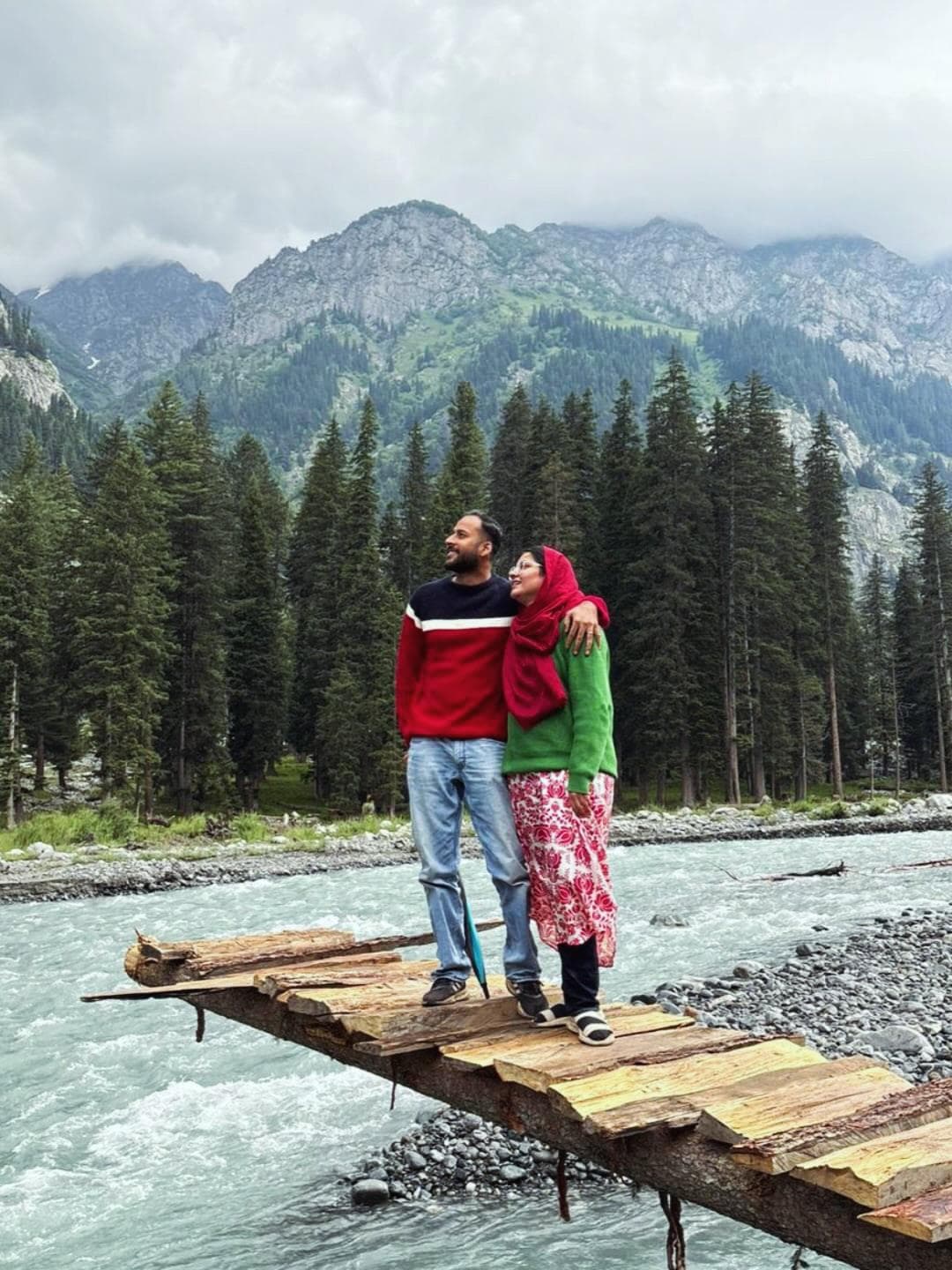
Kumrat suits almost everyone: couples who want something quieter than the Naran crowd, groups of friends on a long weekend, families testing whether the kids are ready for bigger mountains. The walking is as ambitious as you make it, and the camp comfort does not depend on your fitness.
Four days, one river, a forest older than any building in the country, and a proper bed inside your tent. It is the easiest yes in our catalogue, and the most common gateway drug to Hunza and Skardu the following season. The brochure has the day-by-day plan; our WhatsApp has this month's departure dates.
Also searched as: Kumraat Valley, Komrat, Kumrat Vally, Jahaz Banda, Jaz Banda.
Keep exploring